
NEWS
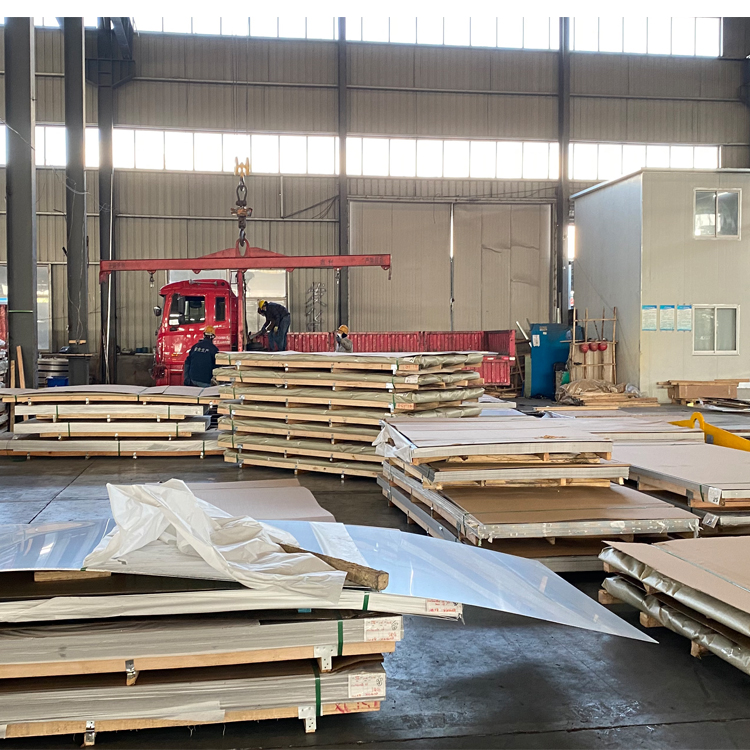
Composition: Stainless steel is an alloy composed primarily of iron, along with varying amounts of chromium, nickel, molybdenum, and other elements. The exact composition of stainless steel determines its properties and suitability for different applications.
Corrosion resistance: One of the most significant advantages of stainless steel is its excellent corrosion resistance. The chromium content in stainless steel reacts with oxygen to form a thin, protective oxide layer on the surface, known as the passive layer. This passive layer prevents further corrosion, making stainless steel highly resistant to rust, staining, and corrosion in various environments.
Grades and types: Stainless steel is available in numerous grades and types, each designed for specific applications. Some commonly used grades include 304 (18-8 stainless steel), 316 (marine grade stainless steel), 430 (ferritic stainless steel), and 17-4 PH (precipitation-hardening stainless steel). Each grade has its own unique combination of properties, such as corrosion resistance, strength, and heat resistance.
Applications: Stainless steel finds applications in a wide range of industries and sectors. It is commonly used in construction for building facades, structural components, and roofing. In the automotive industry, stainless steel is used for exhaust systems, body panels, and decorative trim. It is also widely utilized in the food processing industry for equipment, utensils, and storage tanks due to its hygienic properties. Additionally, stainless steel is used in medical devices, aerospace components, kitchen appliances, and many other applications.
Surface finishes: Stainless steel can be finished in various ways to achieve different appearances and surface properties. Common finishes include brushed or satin finish, mirror or reflective finish, and patterned finishes like etched or embossed designs. These finishes enhance the aesthetic appeal of stainless steel and provide options for different applications.
Recycling: Stainless steel is a highly recyclable material, which makes it an environmentally friendly choice. It retains its properties even after recycling, making it a sustainable option for various industries. Recycling stainless steel helps conserve natural resources and reduces waste.
Stainless steel's unique combination of properties has contributed to its wide-ranging use in different industries. It continues to be a popular and valued material for its durability, corrosion resistance, and aesthetic appeal.
Related Articles
- Aluminum Sheets: A Versatile Material for Modern Applications
- The difference between 304 stainless steel and 316 stainless steel
- The Strength Within: Exploring the Versatility and Applications of Stainless Steel Bars
- Preserving Perfection: The Corrosion Resistance and Durability of Stainless Steel Plates
- Industrial Excellence: Stainless Steel Plates in Manufacturing and Heavy Machinery
- Strong Foundations: The Role of Stainless Steel Plates in Structural Engineering
Leave A Message
If you are interested in our products and want to know more details, please leave a message here, we will reply you as soon as we can.